The earliest large-scale, systematic planting efforts date back 150 years to when the Ontario Legislature passed an act in 1871 encouraging the planting of trees on highways. Municipalities were to pay landowners up to $0.25 per tree for trees planted along the roads. The province was to cost-share with the municipalities, but a quarter century later, only ten percent of the money had been spent, and the act was repealed. Although this would suggest the program failed, trees from this era (or soon after) line many of our roads today.
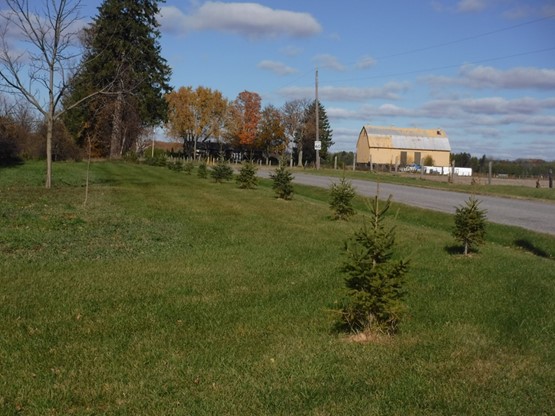
The majority of trees farmers transplanted from their woodlots were maples. This gave rise to an important element in the rural landscape-lines of stately maples alongside roads. The legacy of tree-lined roads is embedded in many people's memories and part of the rural aesthetic.
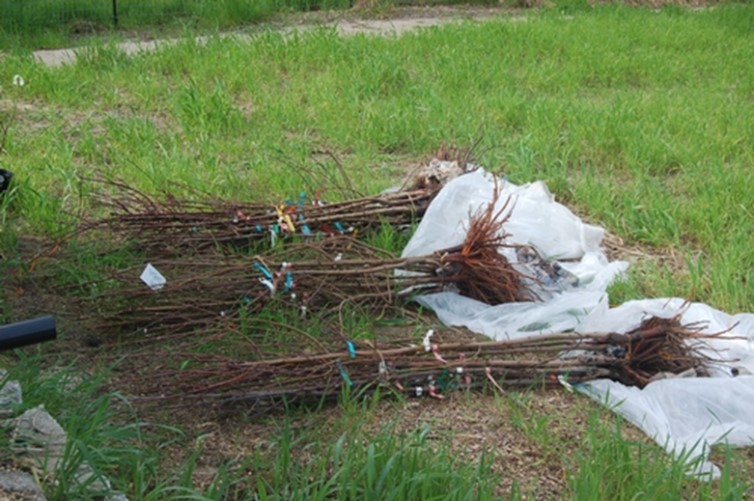
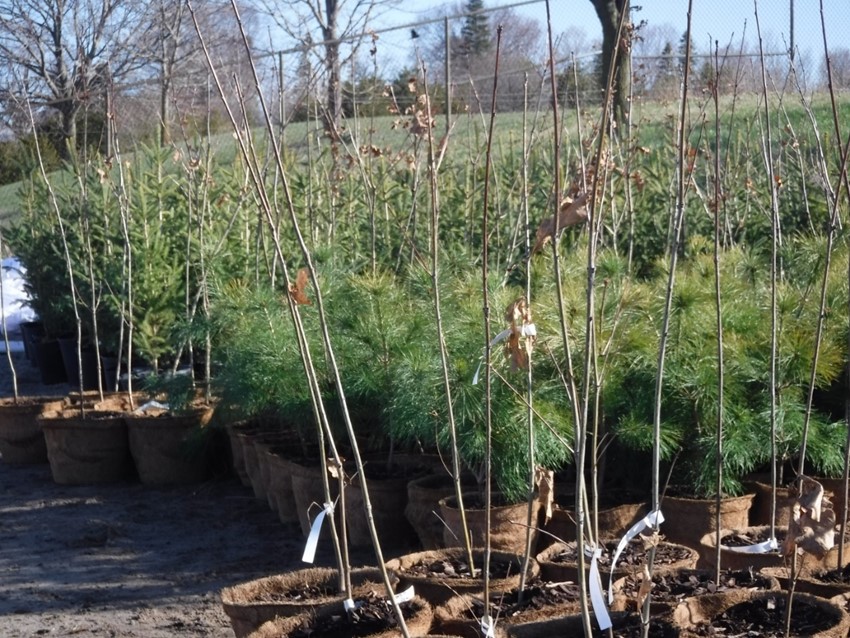
These century-old (and older) trees are succumbing to old age, exposure to wind, insects, and disease. The program was developed in 2012 to help replace and plant trees along our rural roadways.